
How to Grow Lupine
Lupine is one of the most attractive flowering plants you can grow in a garden. Known for its tall spikes of colorful blooms, Lupinus adds vibrant shades of purple, blue, pink, white, and yellow to landscapes. These flowers are popular in cottage gardens and natural landscapes because they attract pollinators and improve soil fertility.
If you want to grow lupine successfully, understanding its growing conditions, planting method, and care requirements is essential.
In this guide, we will explain everything you need to know about growing lupine plants.
What is Lupine?
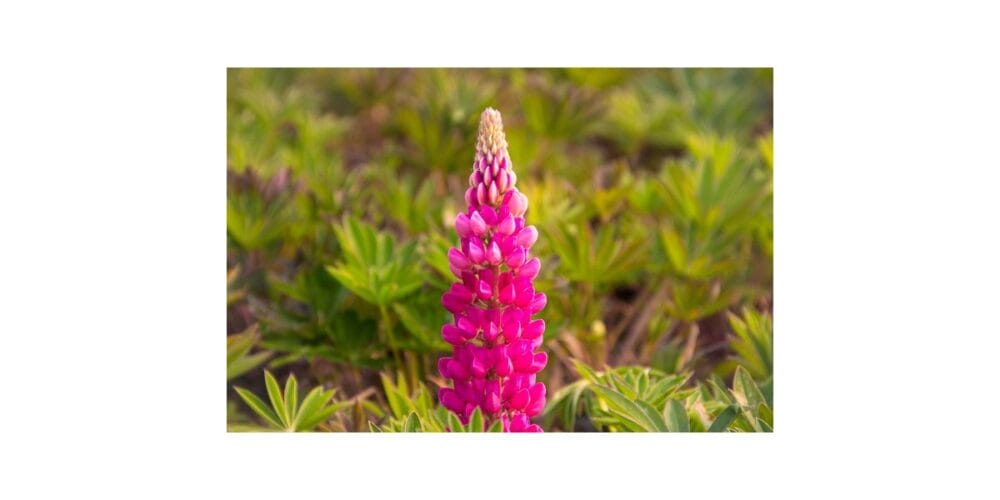
Lupine is a flowering plant belonging to the Fabaceae, the same family as beans and peas. It is valued for its tall, cone-shaped flower spikes and attractive palm-like leaves. Lupines are also nitrogen-fixing plants, which means they help improve soil fertility by adding nitrogen to the soil.




These plants are widely grown in ornamental gardens and are native to regions of North and South America. One of the most commonly cultivated species is Lupinus polyphyllus, known for its stunning flower spikes.
Ideal Growing Conditions for Lupine
1. Climate Requirements
Lupine grows best in cool to moderate climates. It thrives in areas with mild summers and cool nights. In warmer regions, it is best grown during the cooler seasons.
The ideal temperature range for lupine growth is 15°C to 25°C. High heat and humidity may reduce flowering and plant health.
2. Sunlight
Lupines grow best in full sun, but they can also tolerate partial shade. For optimal flowering, make sure the plant receives at least 6–8 hours of sunlight per day.
In hotter climates, providing light afternoon shade can help protect the plant from heat stress.
3. Soil Requirements
Lupines prefer well-drained, slightly acidic soil with good organic matter.
Ideal soil conditions include:
- pH level: 6.0 – 6.8
- Sandy or loamy soil
- Good drainage
Avoid heavy clay soils because they retain excess moisture, which may lead to root rot.
How to Plant Lupine
1. Growing Lupine from Seeds
Growing lupine from seeds is the most common method.
Steps to plant lupine seeds:
- Soak the seeds in warm water for 12–24 hours to improve germination.
- Prepare the soil by loosening it and mixing compost.
- Sow seeds about 1 cm deep in the soil.
- Keep spacing 30–45 cm between plants.
- Water lightly after planting.
Seeds usually germinate within 10–20 days.
2. Best Time to Plant Lupine
The best planting time depends on the climate:
- Spring: Ideal for cooler climates.
- Autumn: Suitable for mild regions where winters are not too harsh.
Planting during cooler seasons helps establish strong roots before flowering.
Also Read: How to Grow Crossandra: A Complete Guide to Growing Firecracker Flower
Watering Requirements
Lupines prefer moderate watering. The soil should remain slightly moist but not waterlogged.
Watering tips:
- Water deeply once or twice a week.
- Reduce watering once plants become established.
- Avoid overwatering to prevent root diseases.
Mulching around the plants can help retain soil moisture and control weeds.
Fertilizer Needs

Because lupines belong to the legume family, they can fix nitrogen in the soil. Therefore, they generally require less nitrogen fertilizer.
Instead, apply a balanced fertilizer with low nitrogen during early growth to encourage flowering.
Organic options such as compost or well-rotted manure can also support healthy plant growth.
Common Pests and Diseases
Like many garden plants, lupines can be affected by pests and diseases.
Common pests
- Aphids
- Slugs and snails
- Leaf miners
Common diseases
- Powdery mildew
- Root rot
- Downy mildew
Regular inspection and good air circulation around plants help reduce these problems. Removing infected leaves and maintaining proper watering practices can also prevent disease spread.
Pruning and Maintenance
Pruning helps keep lupine plants healthy and encourages longer blooming periods.
Maintenance tips:
- Remove faded flowers (deadheading) to promote new blooms.
- Cut back flower stalks after flowering.
- Remove damaged or diseased leaves.
In perennial varieties, pruning after flowering can encourage a second bloom later in the season.
Benefits of Growing Lupine
Growing lupine offers several benefits for gardeners and the environment.
1. Improves Soil Fertility
Lupines fix atmospheric nitrogen, enriching the soil for other plants.
2. Attracts Pollinators
The colorful flowers attract bees, butterflies, and other beneficial insects.
3. Beautiful Garden Display
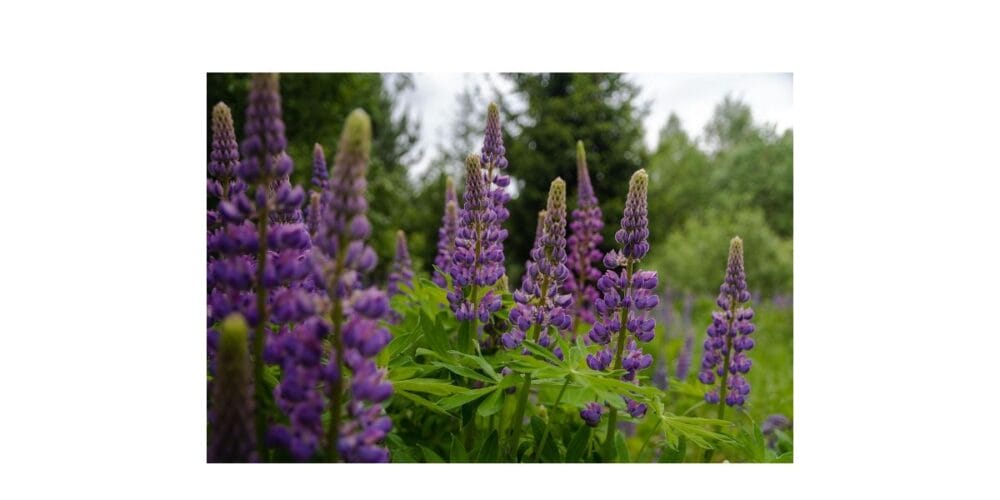
Tall flower spikes create a striking visual impact in borders and garden beds.
4. Low Maintenance
Once established, lupine plants require relatively little care.
Also Read: How to Grow Allamanda: A Complete Guide to Growing the Golden Trumpet Flower
Best Companion Plants for Lupine
Lupine pairs well with many garden flowers and ornamental plants.
Popular companion plants include:
- Delphinium
- Rosa
- Iris
- Papaver
These plants complement lupine’s tall spikes and create colorful garden combinations.
Frequently Asked Questions (FAQs)
1. How long does lupine take to bloom?
Lupine usually blooms 90–120 days after planting, depending on the variety and growing conditions.
2. Is lupine an annual or perennial plant?
Some lupine species are annual, while others are perennial. Many garden varieties, including Lupinus polyphyllus, are perennial.
3. Can lupine grow in pots?
Yes, lupine can grow in large containers. Choose deep pots because the plant develops long taproots.
4. Why are my lupine plants not flowering?
Poor flowering can be caused by insufficient sunlight, excessive nitrogen fertilizer, or high temperatures.
Also Read: Parijat Flower Cultivation: A Complete Guide to Growing the Sacred Night-Blooming Tree at Home
Final Thoughts
Lupine is a stunning flowering plant that adds elegance and color to any garden. With proper sunlight, well-drained soil, and moderate watering, it is relatively easy to grow. In addition to its beauty, lupine also improves soil fertility and supports pollinators, making it a valuable plant for sustainable gardening.
Whether you grow it in garden beds, borders, or containers, lupine can transform your garden into a vibrant and lively space. By following the tips in this guide, you can successfully grow healthy and beautiful lupine plants in your garden.
Also Read: About How to Grow Lupine on https://www.thespruce.com/growing-lupine-flowers-1316034 Site
How to Grow Lupine Review
Product Cost
Compatibility
Availability
Aggregate Customer Score
Overall Rating: Excellent